If you have hEDS or HSD, it probably isn’t news to you that these conditions are sometimes associated with neuro-related comorbidities such as postural orthostatic tachycardia syndrome (POTS), craniocervical instability (CCI), tethered cord, and intracranial hypertension, among others. However, a new concept paper, released as a preprint on August 10, 2026, suggests that there may […]

This article explores whether upright MRI may be a useful tool for evaluating EDS-related spinal instability. Understanding the limitations of standard MRI and what positional imaging could offer instead, may help patients, clinicians, researchers, advocates, and healthcare providers better navigate the complex neurosurgical landscape of EDS. Why Supine MRI May Miss the Problem Cervical […]
What Two New Studies Say About the Head, Neck, and hEDS People with Ehlers-Danlos syndrome have heard for years that their symptoms are “in their head.” In one sense, that may be true—but not in the way we all hate to hear. When it comes to symptoms like headaches, nausea, dizziness, brain fog, visual disturbances, […]

Welcome back to Research Round-up where we feature some of the latest developments in Ehlers-Danlos syndrome (EDS) research. Hitch up your horse, gather ‘round the campfire, and see what we have in store for you today. ICYMI: a possible blood test for hEDS? Cardiology“Longitudinal echocardiography in pediatric patients with hypermobile Ehlers-Danlos syndrome”Published in the American […]

A wake-up call to the medical community sent directly with data from commercial health insurers A new study focused on the prevalence of multisystem diagnoses among hypermobile Ehlers-Danlos Syndrome (hEDS) patients sheds light on a critical aspect of this complex condition: the widespread systemic impact it has on the body and the connection to other […]

A recent study by Henderson et al. found significant benefits for EDS patients with severe craniocervical instability who underwent occipito-cervical fusion surgery. Craniocervical instability is one of the most severe neurological complications of the Ehlers-Danlos syndromes, causing many affected individuals symptoms such as headaches, severe full body pain, dizziness, nausea, blurred vision, paresthesia, fatigue, weakness, […]
Special thanks to EDS medical provider Pradeep Chopra, MD for reviewing this article curated by our media team. Learn more from his expertise in his video webinar on EDS Pain Management (discussion on tethered cord at the 1:13 mark). Intro: Hope for Tethered Cord Syndrome Patients Tethered Cord Syndrome (TCS) is a common condition found […]
For Chronic Pain Partners Newsletter, writer Christie Cox speaks with two pioneers in the Ehlers-Danlos community Leslie Russek and Susan Chalela, about their recent publication on upper cervical instability (UCI). Leslie Russek is a DPT, PhD, and Professor Emeritus of Physical Therapy at Clarkson University and an Orthopedic Certified Specialist Physical Therapist with over 30 […]

Ehlers-Danlos Syndrome May Increase Susceptibility to Infections
EDS, POTS and MCAS Linked by One Gene Mutation

Popular People With Ehlers-Danlos Syndrome

In memory of John Ferman, Founder and President of Chronic Pain Partners / EDS Awareness
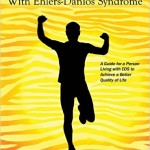
EDS Physical Therapy Book & Free Webinar: “Living Life to the Fullest with Ehlers-Danlos Syndrome”