If you are among the many people with Ehlers-Danlos syndrome (EDS) who also have dysautonomia, summer can feel less like a season to enjoy and more like something to survive. Research suggests that dysautonomia affects approximately 80% of people with hypermobile EDS, making it one of the most common comorbidities associated with the condition.
For people with dysautonomia, heat is more than an inconvenience. Hot weather can worsen symptoms such as dizziness, lightheadedness, fatigue, brain fog, nausea, and tachycardia. This is because heat causes blood vessels to dilate, making it even harder for the body to maintain adequate blood flow to the brain when upright.
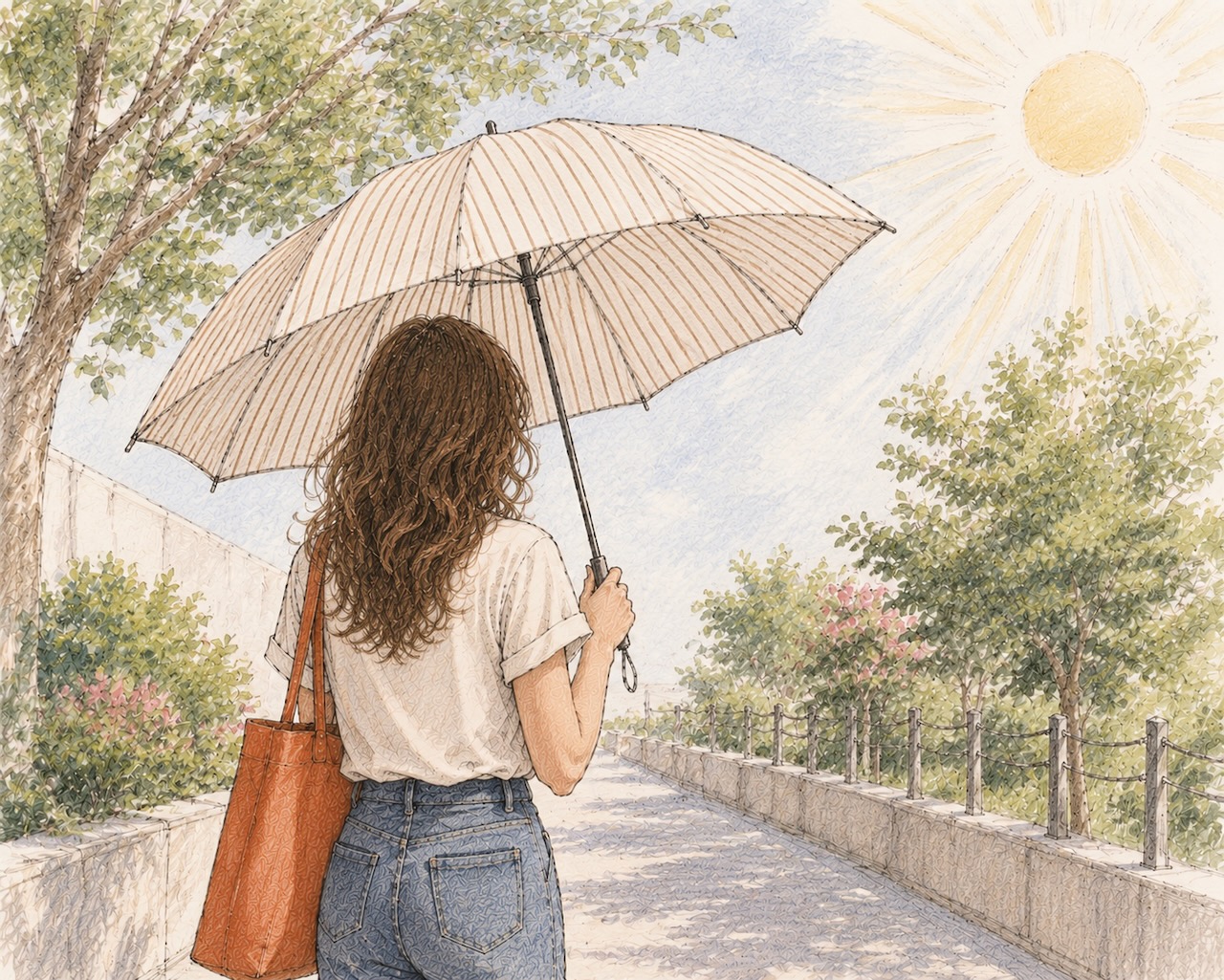
These days, there is no shortage of advice on surviving the summer months with dysautonomia. The internet is flooded with guides and tips for beating the heat (we actually did one here!). So rather than create another general list, I wanted to talk about one of my personal favorite summer aids: the sun umbrella.
How I Got Into Sun Umbrellas
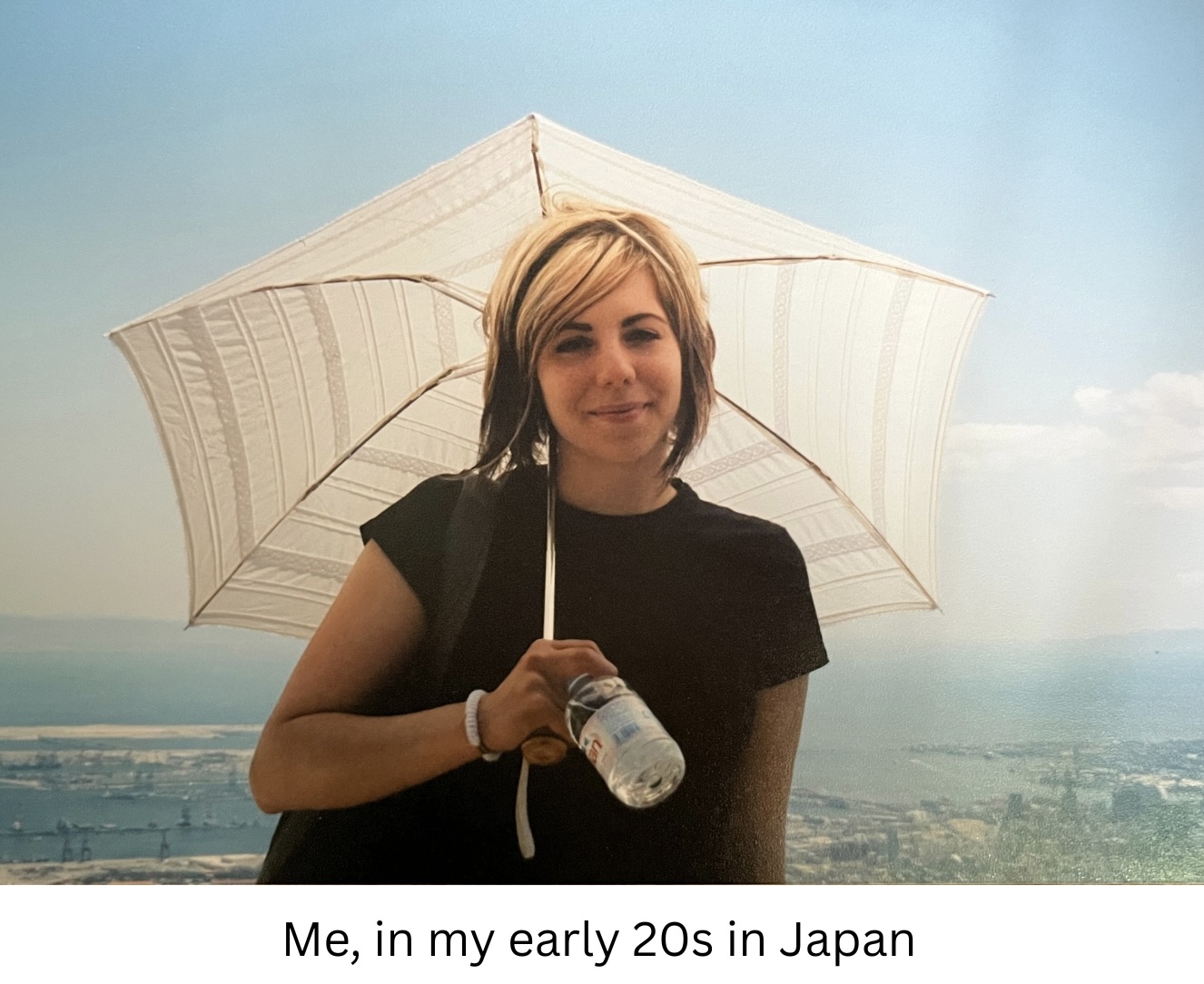
Years before I was diagnosed with dysautonomia, I was already showing some signs. I was living in Japan, and my symptoms were gradually becoming more noticeable, particularly when standing while teaching and during hot summer months. At the time, I had no idea what was wrong or why I struggled so much in the heat.
For those who haven’t experienced Japanese summers, they can feel like a hot wet towel on your entire body all day long (not fun with dysautonomia). Without a car, I did all my walking under the intense heat and humidity of the Japanese sun. But one of the ways I survived was by carrying a sun umbrella.
And honestly, I started carrying one for two reasons. Not only was I starting to struggle more with heat, but I had also become allergic to chemical sunscreens, making sun protection quite a challenge. A sun umbrella solved both problems at once: it helped keep me cooler while also shielding me from the sun.
Not Just Your Average Rain Umbrella
While they still haven’t caught on in the West, everywhere you look in Japan, people carry sun umbrellas. In fact, around 47.4% of people use them. And Japan takes their sun umbrellas pretty seriously. Unlike typical rain umbrellas, these umbrellas are specifically designed to block ultraviolet (UV) radiation and reduce heat absorption, creating portable shade wherever you go.
But they offer more than just a little shade. Research suggests that a UV sun umbrella can make conditions feel roughly 7°F to 9°F (4°C to 5°C) cooler by blocking direct solar radiation. For someone with dysautonomia, that difference can be significant. When your body is already struggling to regulate temperature and maintain blood flow, reducing your heat exposure by even a few degrees may help lessen the strain.

What to Look for in a Sun Umbrella
Many modern sun umbrellas are specifically designed for hot weather and include features such as:
- UV-blocking fabric
- Reflective or heat-resistant linings
- Lightweight construction
- Compact folding designs that fit in a purse, backpack, or tote bag
- Water-resistant materials that can double as rain umbrellas
A variety of retailers now sell UV-blocking parasols and sun umbrellas, including Uniqlo and other brands that specialize in sun-protective products.
Final Thoughts
For more than 20 years, a sun umbrella has been part of my summer toolkit. These days, I live in Switzerland, and carrying a sun umbrella means I can sit by the lake with family and friends, walk around the city, or enjoy outdoor events while bringing my own portable patch of shade wherever I go.
I’ll admit that sun umbrellas still aren’t particularly common in many Western countries. You may get a few curious looks, or someone may ask if it’s about to rain. Personally, I think the trade-off is worth it. If carrying a sun umbrella helps you stay cooler, feel better, and participate in more of the activities you enjoy, that’s a pretty small price to pay.
Of course, a sun umbrella is only one tool for managing the summer heat with dysautonomia. What helps one person may not work for another, and most people find that staying comfortable requires a combination of strategies. Hydration, electrolytes, cooling products, portable fans, breathable compression garments, activity modifications, and other strategies can all play an important role. The key is finding the mix of tools that works best for your body.
But for me, carrying shade with me has made it possible to spend more time outdoors during the summer with friends and family. Sometimes the simplest accommodations can make the biggest difference.
Jacqueline Teti, Author
Editor-in-Chief &
Director of Programs
June, 2026