Uncategorized
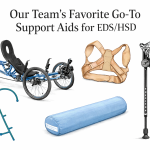
Up Close and Personal: Our Team’s Favorite Go-To Support Aids for EDS/HSD
This month, we wanted to give you a peek into the daily lives of our team members by asking them to share a few of their favorite go-to supportive items for Ehlers-Danlos syndromes (EDS) or hypermobility spectrum disorders (HSD). While these aids might be what work for us personally, we hope they offer inspiration and ideas to help you live your life to the fullest with EDS/HSD.
Measuring the Unmeasured
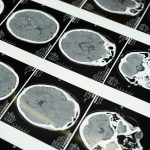
What Two New Studies Say About the Head, Neck, and hEDS People with Ehlers-Danlos syndrome have heard for years that their symptoms are “in their head.” In one sense, that may be true—but not in the way we all hate to hear. When it comes to symptoms like headaches, nausea, dizziness, brain fog, visual disturbances, […]
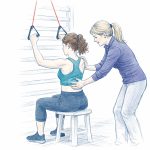
Schroth Therapy: An Expert Q&A on Scoliosis Care in EDS
Scoliosis and Ehlers-Danlos Syndrome (EDS) frequently go hand-in-hand. In this article, we cover the essentials of scoliosis and its prevalence in the EDS community. Next, we spotlight a highly regarded yet lesser-known approach for treating scoliosis called the Schroth Method. To help you decide if it is right for you, we caught up with Schroth-certified […]

A Cheerful Gift Guide for People with EDS, Chronic Pain, Chronic Illness, Disability, and Those Who Love Them: Chronic Pain Partners’ 2025 Gift Guide
Shopping for someone with chronic illness or chronic pain can feel weirdly high stakes.Should you get something comforting?Something fun?Something practical?Something that has nothing to do with their medical life at all? The answer: Yes to all of that. This guide mixes comfort items, purely-for-fun treats, and practical helpers that can make life a little easier. […]
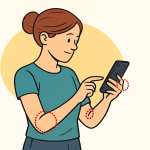
New App Can Help Screen for EDS
The Hypermobility Assessment Tool (HAT) app empowers patients who suspect they have EDS by putting the first steps of the screening process directly into their hands.

Research Round-up, Edition Six
Previous editions of Research Round-up can be found at the following links: Edition 5 (Pediatrics) Edition 4 (Neurodivergence) Edition 3 Edition 2 Edition 1 Howdy, partners! This Research Round-up has roped in a whole herd of topics for you. We hope you enjoy the read, learn a thing or two, and feel […]
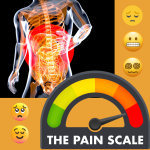
September is Pain Awareness Month
September is recognized internationally as Pain Awareness Month. (Look for hashtags #PainAwarenessMonth and #ThisIsPain on social media). Most types of Ehlers-Danlos Syndrome and Hypermobility Spectrum Disorder unfortunately cause varying amounts of pain for most patients, so Chronic Pain Partners/EDS Awareness is joining the chorus to raise awareness. It’s in our name, after all!

Update On Gene Linked to Hypermobile EDS
A new study, led by Dr. Cortney Gensemer, marks a genetic breakthrough in hEDS research. The KLK15 variant (p.Gly226Asp) has been identified as a direct disease-causing gene in hypermobile EDS, causing connective tissue dysfunction and immune system dysregulation.