Ehlers-Danlos Syndrome (EDS) is a complex chronic condition that for many patients comes with some level of disability. It also often comes with other comorbidities (health conditions that occur alongside a primary diagnosis) such as dysautonomia or mast cell activation syndrome (MCAS). As there are 13 types of EDS and symptoms often manifest differently in each patient, the accommodations they need in their workplace will vary too. Under the Americans with Disabilities Act (ADA), covered employers are not allowed to discriminate against qualified employees with disabilities and must provide reasonable accommodations when they are needed, unless doing so would cause significant difficulty or expense for the employer. This means that people with EDS who have disabilities may be entitled to workplace accommodations. In this article, we will help familiarize you with some of the most common workplace accommodations that we hope will make your workdays more manageable.
Prioritizing Physical Safety and Comfort
People with EDS often have unstable joints due to hypermobility and are very prone to dislocations, subluxations, and other injuries. Some also have pain and discomfort when standing, walking, or remaining in the same position for extended periods of time. Those with dysautonomia, particularly POTS, may experience dizziness, lightheadedness, fainting, or other symptoms when upright or standing. Some people with EDS may also experience gastrointestinal issues that can affect them throughout the workday. Accommodations that help reduce physical strain and improve comfort may include:
- Being exempt from heavy lifting or being able to use equipment that makes lifting safer
- The option to sit rather than stand for long periods
- Breaks to stand, stretch, or walk around when sitting for too long causes discomfort
- Avoiding repeated or prolonged positions, such as bending, kneeling, reaching, or working overhead
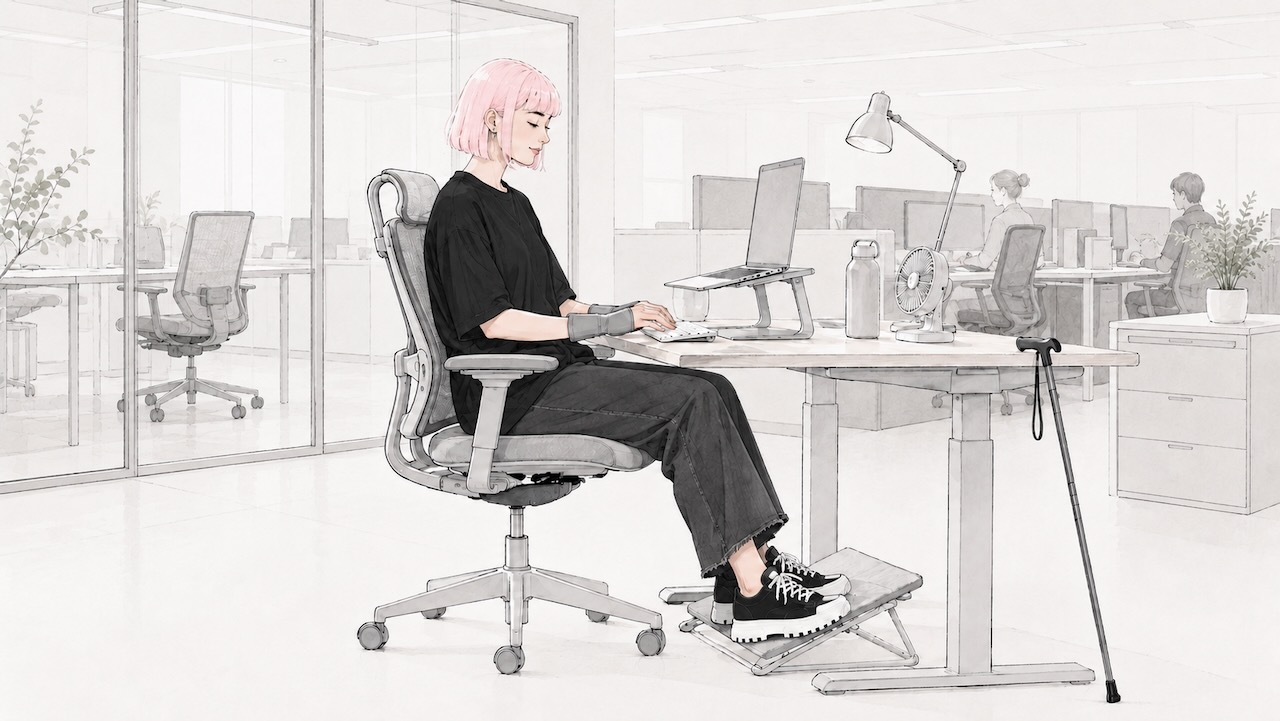
- Ergonomic equipment, such as a supportive or adjustable chair, footrest, or adjustable-height workstation
- The ability to use braces, mobility aids, or other supportive devices when needed
Flexibility That Supports Long-Term Employment
Flexibility can be especially important for people with EDS because symptoms and flares may be unpredictable. Accommodations that allow employees to adjust when, where, or how they work can help them remain in the workforce long term. The right type of flexibility will vary from person to person, but helpful accommodations may include:
- Remote or hybrid work, either permanently or when symptoms flare
- Flexible start and end times, particularly for those who experience significant morning fatigue
- Longer or more frequent breaks to manage pain, fatigue, or gastrointestinal issues
- Time to attend medical appointments or deal with unexpected health issues
- Some flexibility with deadlines during major flares or medical emergencies
- Temporary changes to workload or working hours during a flare
- The option to make up missed hours at another time, when feasible
- A gradual return to a normal schedule after a major flare, injury, or medical procedure
Creating an EDS-Friendly Work Environment
Having some control over the work environment can be important for people with EDS, particularly those who also have conditions such as POTS or MCAS. Temperature, fragrances, lighting, and other environmental factors can worsen symptoms for these individuals. Therefore, helpful accommodations may include:
- Temperature: The use of fans for employees who have difficulty regulating their body temperature
- Air quality: Access to an air purifier when environmental exposures, such as mold, worsen symptoms
- Fragrances: Less exposure to fragrances and other known environmental triggers, such as scented cleaning products, air fresheners, or perfumes
- Lighting:
- A workspace away from fluorescent or particularly bright lighting when it worsens symptoms
- Alternative lighting, such as a desk lamp or natural light, when possible
- Location: A workstation away from areas where triggers are more common, such as kitchens, heavily trafficked spaces, or areas where cleaning products are frequently used
- Hydration: Easy access to water or other drinks throughout the workday, which may be particularly helpful for those managing POTS
- Dress: Reasonable adjustments to workplace dress requirements when clothing, temperature regulation, braces, compression garments, or other medical needs make standard attire difficult
Accessibility Beyond the Desk
Workplace accessibility can extend well beyond an employee’s desk or immediate workstation. Some people with EDS use mobility aids, such as wheelchairs, rollators, or canes, while others may need accommodations related to associated conditions. For those who need additional physical accessibility in the workplace, reasonable accommodations may include:
- Access to elevators
- Doorways and pathways that are wide enough and kept clear for wheelchairs, rollators, or other mobility aids
- Accessible restrooms that can accommodate wheelchairs or other mobility aids
- A workspace closer to an entrance, elevator, bathroom, or other frequently used area to reduce unnecessary walking
- An accessible or nearby parking space when available
- Enough space around furniture or equipment for a wheelchair, rollator, or other mobility aid
- The ability to have a trained service animal in the workplace when needed
Final Thoughts
Just as we need more healthcare providers and teachers to be educated about EDS and its comorbidities, educating employers is vital for the EDS community as well. But whether or not your employer has heard of EDS, they should be willing to work with you to make sure you receive reasonable accommodations. If you are struggling, remember there are also resources that can help (see below). People with EDS deserve to succeed in the workplace, and the right accommodations can help make that a reality.
Key Takeaways
- EDS affects everyone differently. Some may have different levels of disability.
- Accommodations will depend on what particular symptoms a person has.
- Flexibility, physical safety and comfort, and changes to the work environment are common considerations when figuring out the right accommodations.
- Some common examples of accommodations include the ability to work from home, flexible deadlines, not being required to lift anything, being allowed to work while sitting, being allowed to take breaks to walk around, fragrance-free workplaces or access to air purifiers, accessible bathrooms for wheelchair users, access to ramps and elevators, and allowing service animals.
- With the right accommodations, though, people with EDS can excel in the workplace.
- If a person with EDS is struggling with employment, there should be resources in their community that can help.
- Educating employers about EDS and its comorbid conditions is vital.
Helpful Resources
United States
- Job Accommodation Network (JAN) – Free guidance on workplace accommodations, including practical accommodation ideas for specific health conditions and limitations.
- Americans with Disabilities Act (ADA) – Employment Resources – Information about disability discrimination, reasonable accommodations, and employee rights under the ADA.
- State Vocational Rehabilitation Agencies – State programs that may help eligible people with disabilities prepare for, obtain, maintain, or return to employment.
United Kingdom
Access to Work – GOV.UK – Information about government support that may help cover practical workplace accommodations, equipment, or other employment-related support for people with disabilities.
Canada
- Canadian Human Rights Commission – Duty to Accommodate – Information about an employer’s duty to accommodate disability-related needs.
- Provincial and Territorial Human Rights Agencies – Links to human rights organizations throughout Canada, which can provide information about workplace accommodation requirements in each province or territory.
Rebecca Hayes, Author
Disability Advocate
Oct, 2026