Being diagnosed with Ehlers-Danlos syndrome can feel like a major feat to some. Maybe you’ve been advocating for a diagnosis for a while, or maybe this was a shock to you. In both scenarios, sometimes you get to the other side of the diagnostic process and realize it doesn’t just stop there. Now is the time you have to trial and error different management options, treatments, lifestyle changes, and more to find what makes you feel the best. That process can be daunting, to say the least. It can be hard to know where to start, what is actually worth the time and effort.
I asked people living with Ehlers-Danlos syndrome, “What is one thing that has helped you since being diagnosed with EDS?” Over 100 people replied, and I don’t think the results will surprise you. But they might help you feel less alone and point you toward tools and resources worth trying.
What Helped? Responses Ranked From Most to Least Frequent
| Item/Approach | Notes |
| Community support (online/in-person) | Finding “zebras,” peer support, shared experiences |
| Knowledgeable/EDS-specialized doctors | Includes specialists in comorbidities (MCAS, POTS, dysautonomia) |
| Specialized/EDS-knowledgeable physical therapist (PT) | Including hypermobility-aware, neuro PT, pelvic floor specialization |
| Custom bracing/braces | Including knee, hip, neck braces; abdominal wraps |
| Wheelchairs (custom/power-assist) | Including power chairs |
| Compression garments/wraps | Compression capris, sacroiliac belt, abdominal wraps |
| Low-dose naltrexone (LDN) | Pain management medication |
| Heating pads/weighted heating pads | Symptom management |
| K-tape/kinesiology tape methods | Physical support/proprioception |
| Other medications | Pain medication and patches, creatine, MCAS medications |
| Learning body signals/pacing | Proprioceptive awareness, energy management |
| Validation/psychological acceptance | Knowing pain is real, knowing they’re not “crazy” |
| Adaptive sports/movement | Including aerial silks |
| Joint repair surgeries | Shoulder repairs, jaw surgery |
| Acupuncture (EDS-knowledgeable) | |
| Massage/physiotherapy (regular) | Twice weekly |
| Family support/education | Family learning about condition |
| Emotional support animals | Cat for accountability/routine |
| Medical apps/devices | Apple Watch for HR monitoring |
| Electrolytes | |
| Mobility aids (general) | Using without shame |
Analysis of Responses by Broader Category
To take a closer look at themes that emerged in the responses, I grouped related answers into broader categories.
Community, Peer Support, and Family Support
Community and peer support were major themes. The majority mentioned the online community as being one of the biggest sources of support, especially for people in more rural areas or facing isolation due to their chronic illness. Some mentioned the value in meeting EDS friends in person as well, if that is an option for you, and using local Facebook support groups as a resource. In addition to companionship and shared experience, people noted that they often learned more anecdotally from their peers than in their clinical appointments. People also specifically mentioned familial support and the benefit of having family members show interest and concern in learning about EDS.
Specialized Healthcare Providers
The mention of EDS-specific healthcare providers was frequent. Surprisingly, this didn’t just mean they found the top EDS specialist near them and everything worked out perfectly, but emphasized that their providers’ openness and willingness to learn and expand their knowledge made the most difference. Knowledgeable providers can fundamentally change quality of life, but some said that the “right doctors are unicorns,” and it can take some weeding through to find them.
Physical Therapy & Movement-Based Approaches
Physical therapy, when done the right way, can be transformative for many EDS patients. Some patients experience a “rut” or roadblock with physical therapy, but realize it is because the modality isn’t what their hypermobile body needs. Sometimes EDS-related physical therapy looks more like isometric exercises, proprioceptive training, adaptive sports training, or a neuro-based approach as opposed to the generic graded strength training. Being in tune with your body and knowing what the limits are (not the limits you can technically push past, but probably shouldn’t), can make or break (literally) the physical therapy experience.
Bracing, Mobility Aids & Supportive Equipment
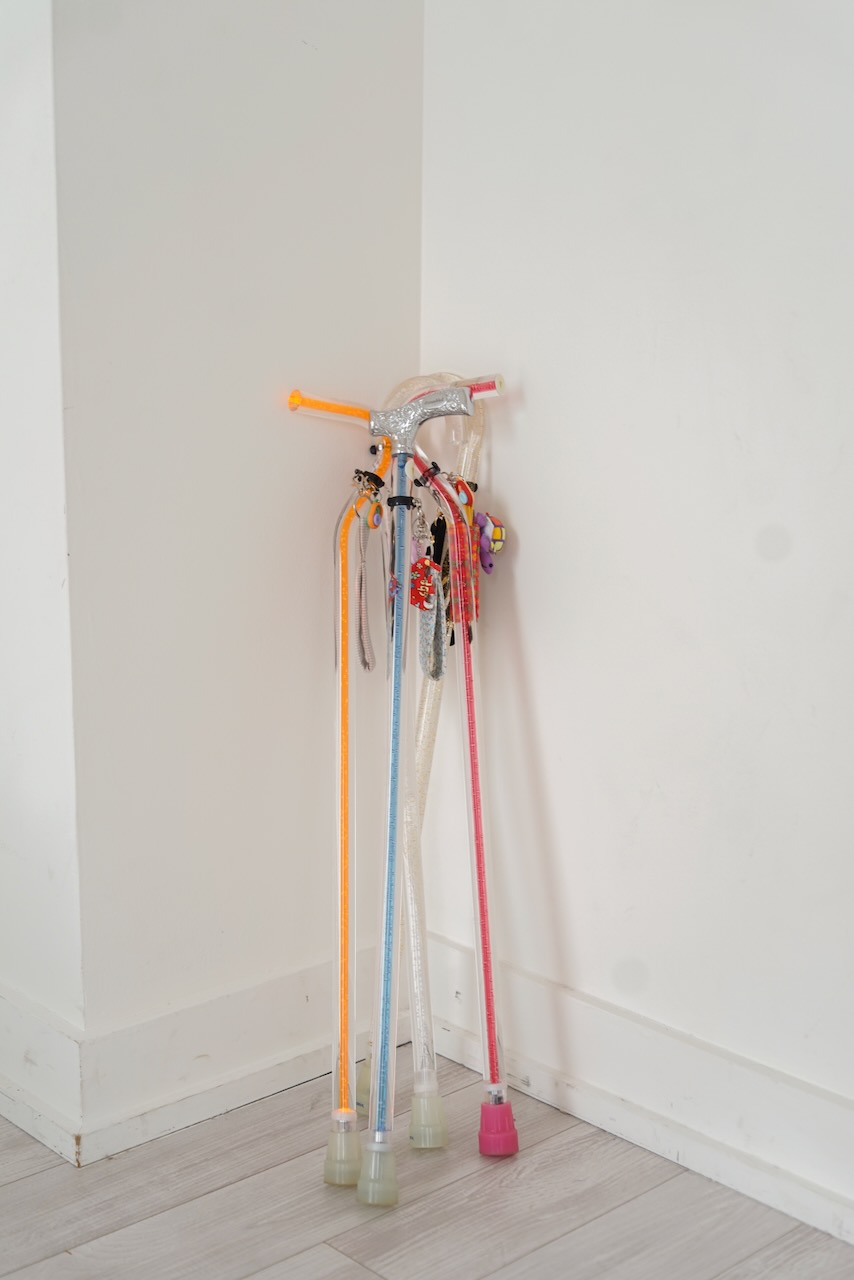
This broader category included supportive aids that require more provider involvement like custom wheelchairs or braces for the knees, hips, ankles, and neck. However, there were also many mentions of over-the-counter items such as compression garments (not just socks either; full leg, full body, and belts as well), abdominal support wraps, and resistance bands for travel support. One key theme in this category was the underlying sense of autonomy and independence that people gained from using these aids and supports. People expressed that once they accepted that these support tools are meant for exactly that – support – they were able to overcome a lot of the shame they had previously held around the use of mobility aids.
Medications and Supplements
Medications and supplements were ranked lower than I expected. Low-dose naltrexone (LDN) was the most mentioned prescription drug. LDN has been increasingly explored and used to treat chronic pain, and many patients report some relief when taking it. Beyond LDN, other medications mentioned included pain relievers and patches, as well as Xolair and other allergy-mediating medications. It was said that controlling other flares, such as mast cell activation triggers, would in turn reduce the EDS flares as well. An honorable mention was also creatine for overexertion flares.
Learning, Education & Validation
Many people found empowerment through education and information. Learning their body’s patterns, staying up to date on current research, finding validation, and becoming their own expert on their body.
Heat, Ice, & Other Therapy
Other therapy methods included heat, ice, kinesiology tape, as well as acupuncture, massage, physiotherapy, and other “non-traditional” stability skills.
Surgical Intervention
Lastly, surgical intervention was specifically mentioned by some. Surgery is not always necessary or the best option for every case, but some people found joint stabilization surgeries as well as surgeries for comorbid conditions to generally improve quality of life.
Key Takeaways
- Prioritize community. People valued community and peer support more than anything else. Online groups, local Facebook groups, friends, and family who take the time to learn about EDS and stick around through the harder parts.
- The right providers. EDS expertise helps, but is not always the most feasible or accessible. What was noted to make a large difference was finding providers who listen, stay curious, and are willing to learn alongside you. The EDS knowledge can be absorbed, but respect and partnership for patients is something they have or they don’t. To medical professionals reading: you don’t have to have all of the answers, but being your patient’s biggest advocate can change their quality of life.
- Letting go of shame around mobility aids. Braces, compression garments, mobility aids, and other supportive tools exist to help make your life a little easier. Many people found that once they let go of the shame they’d felt about using them, they gained more independence and confidence.
- Management is not one size fits all. People manage their EDS and comorbidities in many different and creative ways! A treatment or medication that works for one person is not guaranteed to work for another.
By Tayler Goectau,
clinical research coordinator,
disability advocate
@distaaybled
Oct, 2026
Disclaimer: This article reflects the personal experiences of people living with Ehlers-Danlos syndrome (EDS). What helps one person may not work for another. The treatments, therapies, and strategies shared are not intended as medical recommendations. Always consult a qualified healthcare professional before making changes to your treatment or management plan.
Like what you read? Please share!