You hear a cat meowing as you walk past your neighbor’s apartment. Your lease says you can’t have any animals—she’s going to be in big trouble if the property manager finds out. You visit your grandmother in the rehab hospital, and she’s holding a bunny rabbit and smiling widely. At dinner that night with your family, you see a dog in the restaurant, on a leash, carrying a bag of leftovers in its mouth—it’s the literal interpretation of “doggie bag”! Why does it feel like there are suddenly animals everywhere they generally aren’t supposed to be?
Often mistakenly categorized under the umbrella term “service animals,” these are working or assistance animals. Service animals, comfort animals, therapy animals, and emotional support animals (ESAs) are examples of helper animals. Many of the roles that these animals perform are effective because of the human-animal bond. According to the American Veterinary Medical Association (AVMA), the human-animal bond is “a mutually beneficial and dynamic relationship between people and animals that is influenced by behaviors considered essential to the health and well-being of both.” The AVMA continues to explain that the bond is “beneficial to the mental, physical, and social health of people and animals.” The skills of these animals, the benefits they provide, and the reasons for a person to have one of them often overlap, which can lead to confusion. Below is a guide to the difference between these four common helper animals. From rabbits to cats to llamas to dolphins, helper animals provide vital physical and emotional services for the people who rely on them.
Service Animals: Career Animals Working 24/7
When most people hear of companion animals, they immediately think of service animals. A service animal is defined as “any dog that has been individually trained to do work or perform tasks for the benefit of an individual with a disability, including a physical, sensory, psychiatric, intellectual, or other mental disability” and must be “directly related to the individual’s disability” (Americans with Disabilities Act [ADA] National Network). Service animals are most often dogs because they are highly trainable. On rare occasions, miniature horses are used.
According to ADA.gov’s publication “Frequently Asked Questions about Service Animals and the ADA,” “Dogs can be trained to perform many important tasks to assist people with disabilities.” These tasks include
- Guiding people who are blind or have low vision
- Pulling a wheelchair or providing stability for a person who has difficulty walking
- Alerting a handler with autism to repetitive behaviors, overstimulation, and important sensory information that might otherwise be ignored
- Seeking out allergens and alerting the handler
- Preventing or interrupting a person with psychiatric or neurological disability participating in impulsive or destructive behaviors or calming a person during a post-traumatic stress disorder (PTSD)
- Alerting a D/deaf person to a noise or a person approaching from behind
- Picking up, fetching, or carrying items for a person who uses a wheelchair
- Preventing a child with autism from wandering away
- Alerting or protecting a person who is having a seizure
- Detecting a hyper- or hypoglycemic episode for a diabetic
- Reminding a person with mental illness to take prescribed medication (ADA FAQ, ADA National Network, American Kennel Club)
There are also dogs who are being trained to detect certain types of cancer from a patient’s breath.
A service dog can belong to any breed, although some breeds are more commonly preferred for specific situations than others. Service dogs must be housebroken, and they are exempt from breed limitations set by the government or property management firms. Service dogs need to follow the city ordinances where they live regarding licenses, registration with the city, and vaccinations. They are not required to be registered, although some individuals may choose to voluntarily register their dog. Additionally, there are no requirements for service dogs regarding collars, leashes, ID tags, or any other accessories (Service Animals at ADA.gov).
There are several ways for people who require a service dog to obtain one. There are organizations, like Assistance Dogs International, Paws With A Cause, and United Disabilities Services Foundation (USDF), that help place a trained service dog with a person who needs one. Some organizations, such as K9s for Warriors and America’s VetDogs, specifically assist in finding service dogs for veterans. (Note: Chronic Pain Partners does not endorse any of these organizations. They are used as examples.) Last but not least, anyone in need of a service dog can get one (please adopt if you can) and teach it themselves or have it trained by a professional; a professional dog training program is not necessary.
For the majority of service animals to provide the necessary support, they must always be with their handler. Therefore, as long as the handler is in charge and the animal does not create a nuisance, the ADA permits service animals in public areas. They must also be “harnessed, leashed, or tethered, unless the individual’s disability prevents using these devices or these devices interfere with the service animal’s safe, effective performance of tasks.” If unable to be leashed or harnessed, the service animals must be controlled by the owner through voice, signal, or “other effective controls” (ADA FAQ). There is no documentation required to enter an establishment. Only when a service animal’s presence would impair the service being rendered may it be refused admittance. For example, a service dog may not be allowed in an operating room or a burn unit due to sterility concerns.
K-12 schools, colleges, workplaces, and transportation also allow service dogs, though there may be different requirements under the ADA. For instance, the ADA’s reasonable accommodation language will apply to requests made at work. Airlines are only required to permit service dogs—not any other kind of assistance animal.
Can I pet it? No, and don’t ask. Do you want someone to pet you while you’re working?
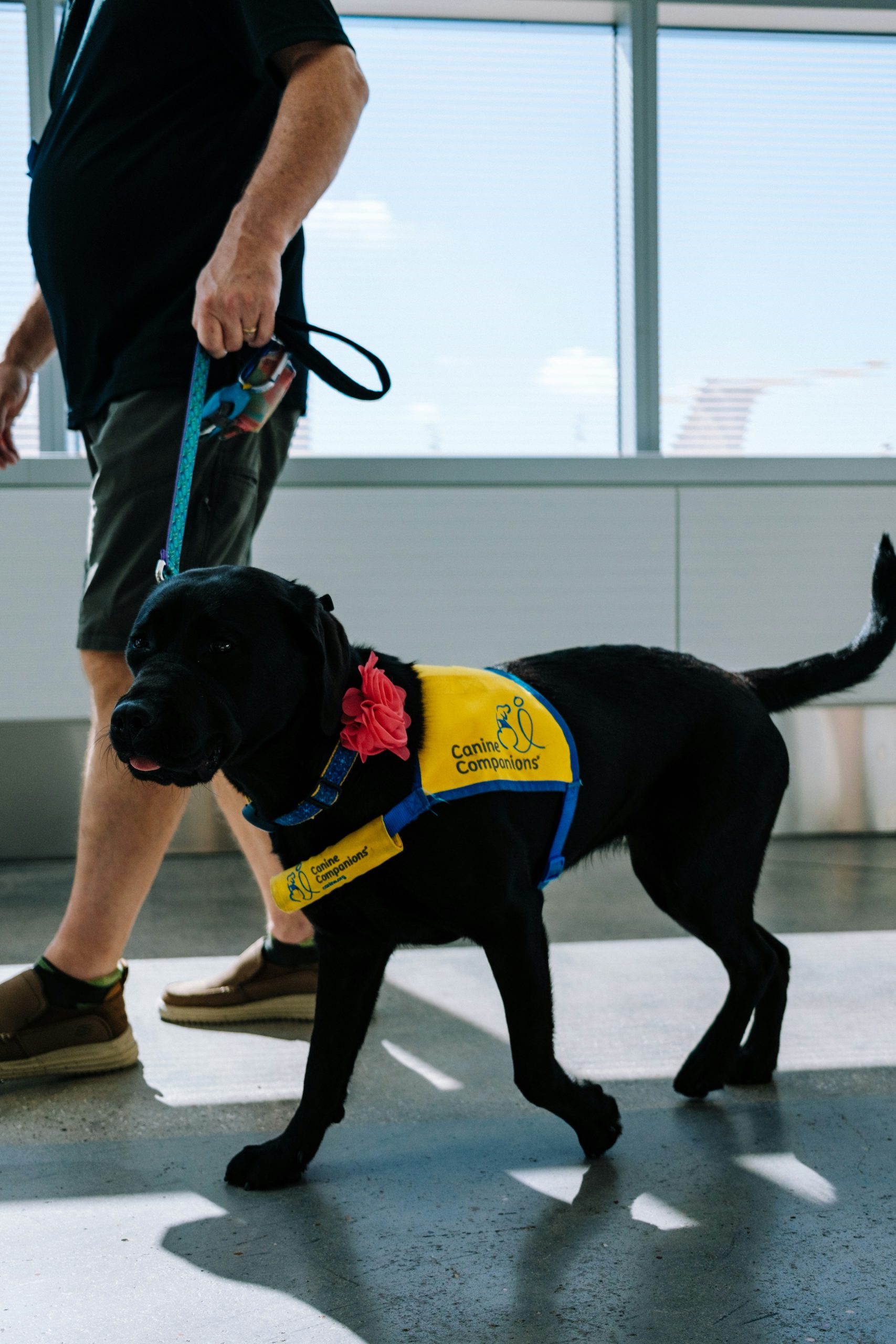
Photo by Jeswin Thomas on Unsplash
Emotional Support Animals: Cuddles Equal Caring
“An ESA is an animal that provides a specific therapeutic benefit (e.g., emotional support, comfort, companionship) to a person with a mental health or psychiatric disability” (UMass School of Medicine). The owner frequently suffers from a behavioral or mental health illness, including PTSD, depression, anxiety, or borderline personality disorder. Simply by existing, allowing the owner to care for it, and providing companionship, the ESA can help alleviate the distressing symptoms of mental and behavioral health issues. Petting or purring might help reduce anxiety in some situations. In other cases, it could be an encouragement to get out of bed and care for the animal. It can even be the additional social interaction that comes from walking a dog.
The human-animal bond is the reason why people believe that interacting with animals is beneficial. The Human-Animal Bond Research Institute (HABRI) lists just some of the benefits of that bond:
- Enhanced quality of life and life satisfaction
- Companionship while combating isolation and loneliness
- Support in keeping to a schedule or routine
- Enhanced mobility and well-being while reducing depression
- A more positive sense of identity and more social support
- Alleviation of worry and discomfort through relaxation, exercise, and other methods
- Distraction and disruption of distressing symptoms
- A sense of control and security
- Nonjudgmental, confidential acceptance and support; a good confidante
The ESA is there to provide comfort in animal form. While not a substitute for therapy or medications, an ESA can complement more traditional types of mental and behavioral health therapy.

Photo by 8 verthing on Unsplash
Most ESAs are dogs and cats, though other animals, such as rabbits, ferrets, and even snakes, can also be ESAs. There are no breed restrictions for ESAs. They also do not require any kind of registration or specific identification, either by the owner or in the form of a leash, harness, or other accessory.
Since the patient will be the owner, they can purchase or adopt an ESA from any location. (Please adopt if you can!) Prospective owners should know what they are looking for in an ESA: a cuddle buddy? Someone who needs to play a lot? An animal who needs to go outdoors? A travel-sized friend? Somebody who can be held? Since it is difficult to get a full picture of an animal’s personality from one visit, it is recommended to make more than one visit with a prospective ESA or work with a place that allows purchased or adopted animals to be returned if the placement doesn’t work out.
ESAs aren’t considered service animals under the ADA, as these animals have not been trained to perform a specific job or tasks to assist the disabled. It is the presence of the animal that can ameliorate troubling symptoms. Therefore, many public places—such as restaurants, movie theaters, and stores—do not allow them to enter. Some state and local governments have different restrictions for ESA. Check to see what’s legal in your area.
According to the Fair Housing Act, housing complexes over four units need to comply with requests for reasonable accommodations that aren’t an undue hardship to the owner. This could mean that a particular breed is permitted when it would not normally be, or that cats or dogs are permitted for that particular renter in spite of a no-pets policy. It may mean that pet fees are waived. It doesn’t mean your octet of emotional support bengal tigers can move into that one-bedroom apartment—that would cause damage beyond normal wear and tear, create a financial burden for the owner, and make the other tenants scared for their lives. Usually, a letter from a licensed medical professional is required as proof that the ESA is a necessity.
Air travel with ESAs is possible. Each airline makes its own rules about what kind of animals it will and will not transport. Be sure to check with the airline well in advance to make sure your emotional support turtle can fly with you.
Can I pet it? Ask the owner, and accept their first answer.

Photo by Alexander Grey on Unsplash
Therapy and Comfort Animals: We All Need Somebody (Soft) To Lean On
Therapy animals and comfort animals are similar in that they are not usually owned by the person who receives the perceived benefit, unlike service animals and ESAs. Both therapy and comfort animals work in medical settings and depend on the unique connection that may develop between people and animals.
When Comfort Is Key
Comfort animals (also called therapy animals, though that name is sometimes applied to a different type of animal, as seen below) “work during active crises. They offer a calming distraction to those impacted in an active disaster or emergency,” according to the ADA National Network. A volunteer, who is usually the owner of the animal, brings their animal(s) where they are needed.
Hospitals are among the most frequent locations to witness a comfort animal in action. Usually the volunteer will take the animal (or multiple animals) from room to room, asking the patient if they’d like a visit. In this case, they are usually dogs or cats. However, in other cases, llamas, pigs, and even camels have been used as comfort animals.
Therapy animals also work in nursing homes and assisted living facilities, schools, libraries, hospices, and even courtrooms. For example, an assisted living facility in Ohio had a “kitten room.” A local animal rescue center allowed some of its kittens to live in the facility so that the residents could play with and care for them. Comfort animals can also work in places like airports, helping anxious passengers before and after their flights; in the corporate world, providing calm to interviewees and executives; or in a Kindergarten classroom, helping ease the first-day-of-school fears.

Photo by Elin Melaas on Unsplash
The best animals for this line of work are dogs, cats, and rabbits, as they are easy to take to the location and small enough to sit on laps and not be a nuisance to medical staff or equipment. There are no breed restrictions for this kind of animal (except wolf and coyote hybrids), and no registration is required. Training can vary and isn’t always needed, but common requirements include evaluation and clearance by a veterinarian, having up-to-date vaccines, being housebroken, remaining calm in emergencies, not overreacting to stimulations, tolerance of other therapy animals that may be at work, and the ability to handle car rides. A love for all humans is a must! Skittish, standoffish, and animals that merely tolerate being petted or around humans will not make good comfort animals (Love On a Leash).
Can I pet it? Yes! That’s what it’s there for! Pet the fluff out of it! (Not really, be gentle.)
My Therapist Thinks He’s a Dog!
Another medically related job for animals is providing therapy. Unfortunately, therapy animals don’t ask, “How does that make you feel?” while lounging in a leather recliner with spectacles and a cardigan on. Animal-assisted therapy (AAT), also called pet therapy or animal therapy, involves animals helping alleviate or help people cope with specific physical and mental health conditions where possible, says Medical News Today).
Although other animals can offer animal-assisted therapy, horses and dogs are the most frequently used. The key is that the patient, therapist, and animal “work together in therapeutic activities that are outlined in a treatment plan, with clear goals for change, measurable objectives, and the expectation of identifiable progress toward the treatment goals” (Psychology Today). Therapy can take many forms, based on the patient, the animal, and the goals for treatment. It is always used to enhance and complement traditional therapy, not replace it. “Common goals of equine therapy are to help an individual find relief from stress, manage symptoms of depression and anxiety, improve communication skills, build trust, or learn how to regulate their emotions,” according to the website for Sandstone Care, an addiction and mental health treatment program.

Photo by Alvin David on Unsplash
Sometimes the therapy is just to “hang out” with the animals, while other times grooming, playing with, or walking them provides therapeutic benefit. For example, there are programs at animal shelters across the United States that have school children or volunteers read books to the dogs (and other animals). The sound of a human voice soothes the dogs while the children and volunteers improve reading skills, gain confidence in speaking, and learn empathy and compassion for other living creatures (HSMO). In this case, both the human and animal benefit.
In AAT, the human-animal connection may “motivate the person to continue therapy, boost their mood…reduce signs of pain…help them move correctly and exercise often” (Medical News Today). It can also assist with general well-being, increase movement, decrease stress, and reduce boredom. Horses are often used, as “horses are keen observers and gentle guides who provide metaphors for life’s challenges, big or small,” explains the Therapeutic Horses of Saratoga website. Consider:
- Horseback riding may be calming and a form of physical therapy.
- Taking lessons or going to the stable can help establish a habit, inspire motivation, and aid concentration.
- Caring for a horse can offer a sense of responsibility and self-confidence.
- Learning how to ride or groom a horse fosters growth, can help with memory loss, and provides the opportunity to learn how to ask for help.
- Leading a horse through an obstacle course successfully is an exercise in persistence, learning, and, ultimately, increased self-worth.
- Saddling a horse can help with motor skills and performing a sequence.
- Grooming a horse can teach empathy and responsibility.
- Visiting a stable can provide opportunities for social interaction and social support.
- Spending time with a large, gentle animal offers the chance to learn gentleness and compassion, while the steadiness and sturdiness provide comfort.
While horses and dogs are often used in AAT, other animals, such as llamas, sheep, cows, cats, rabbits, and other small animals, offer similar benefits. Hands On Exotics extols the benefits of unique therapy animals. Fish’s elegant movements can soothe anxiety, while birds’ capacity to mimic human speech—particularly that of parrots—might help fight loneliness. Like being in the water? There’s a therapy for that—dolphin-assisted therapy, where the interactions and presence of dolphins help provide a sense of calm, connection, and wonder (Animal Welfare Institute).
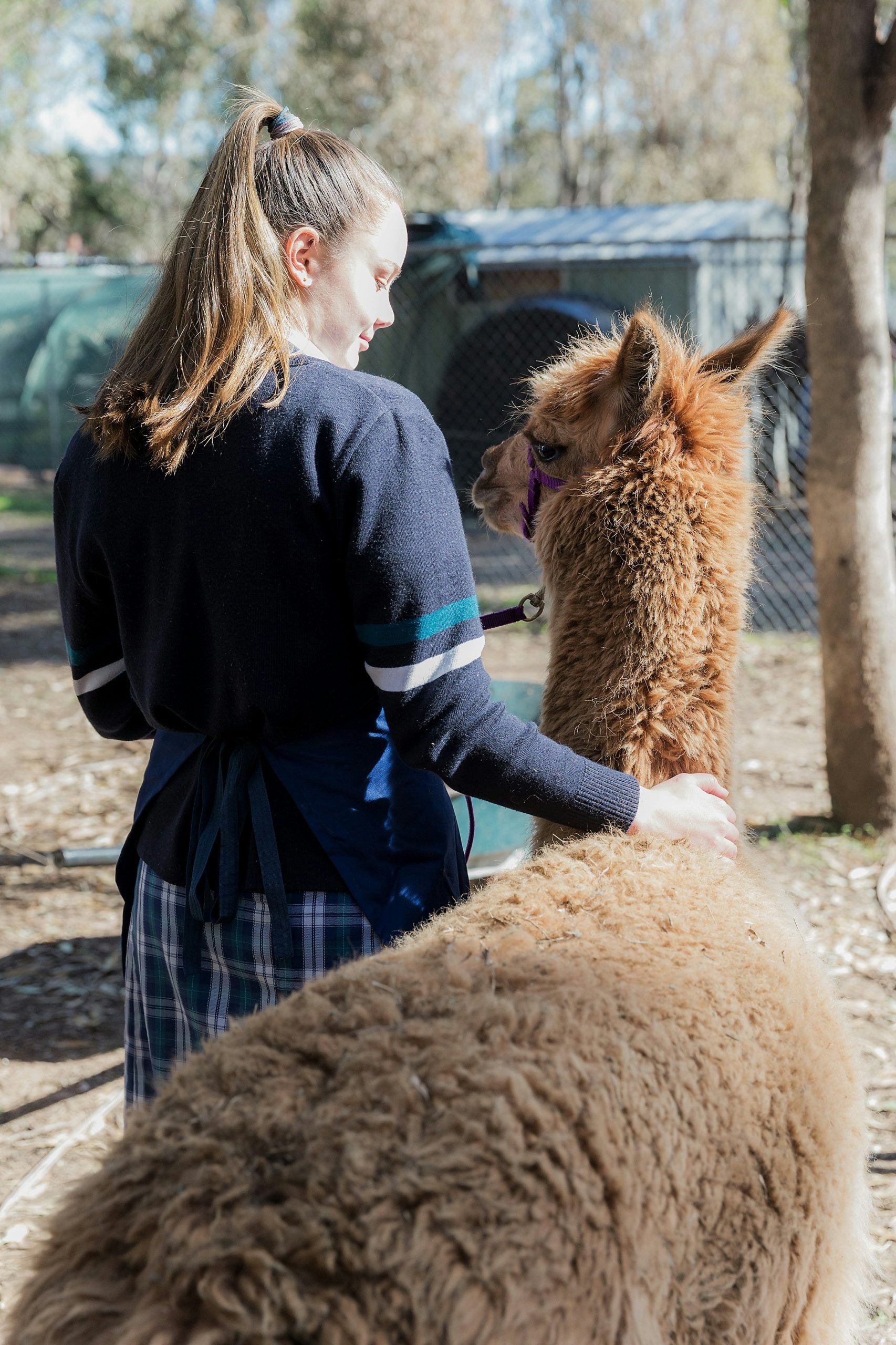
Photo by Caroline Chisholm on Unsplash
Most pet therapy will take place in a location other than a doctor’s office. In some instances, a shelter, owner, or stable will work with a local medical organization or behavioral health clinic to treat patients. Some stables offer therapy on their own. In each case, since medical care is being provided, appropriate state licenses, medical ethics, HIPAA and other privacy laws, documentation standards, and provider and patient rights apply. To guarantee that they have the right temperament for dealing with patients who might not be accustomed to animals, therapy animals also undergo extensive training.
Can I pet it? If it’s part of your therapy plan, go for it. If someone else is using it for therapy, don’t pet it.
Conclusion
Animals have worked for humans for centuries. On farms, in homes, on roads, and around the world, animals helped produce crops, move goods and people, protect homes and land, entertain crowds, deliver messages, and more. They still work, but in hospitals and schools, in restaurants and in movie theaters, in the military and in the office, in the pub down the street and in the home around the corner. They work in a different way and provide new services and new benefits: independence, self-reliance, joy, comfort, companionship, and the soothing presence of a trusted confidante. May we continue to find ways to connect with our furry, feathered, finned, hairy, horned, hooved, scaled, slimy, and shelled friends through the human-animal bond.

Photo by Bùi Hoàng Long on Unsplash
Kate Schultz
July 2025
for JFC




I disagree regarding the statement that the client (or presumably any other non-professional) can train a service dog. As someone who volunteered in pet therapy for two decades via a non-profit that trained service dogs, only professionals have the expertise to not only evaluate for temperament but to train a dog properly. They have the expertise to determine that the dogs meet standards set by Assistance Dogs International and meets the criteria set by the ADA.
Hi JY,
Thanks for your comment. According to the ADA.gov website (https://www.ada.gov/topics/service-animals/), a service animal is not required, by law, to go through a professional training program. I was surprised to read that, considering all of the items you mentioned in your comment, like knowing *how* to train a service dog, choose one with the right temperament, how to handle behavior issues, and so much more. If it were me, I would want one trained by a professional and then teach specific tasks myself. I’m guessing the decision was made to keep the cost and administrative burden low for the disabled person, but I haven’t been able to find a documented reason.
Best,
Kate