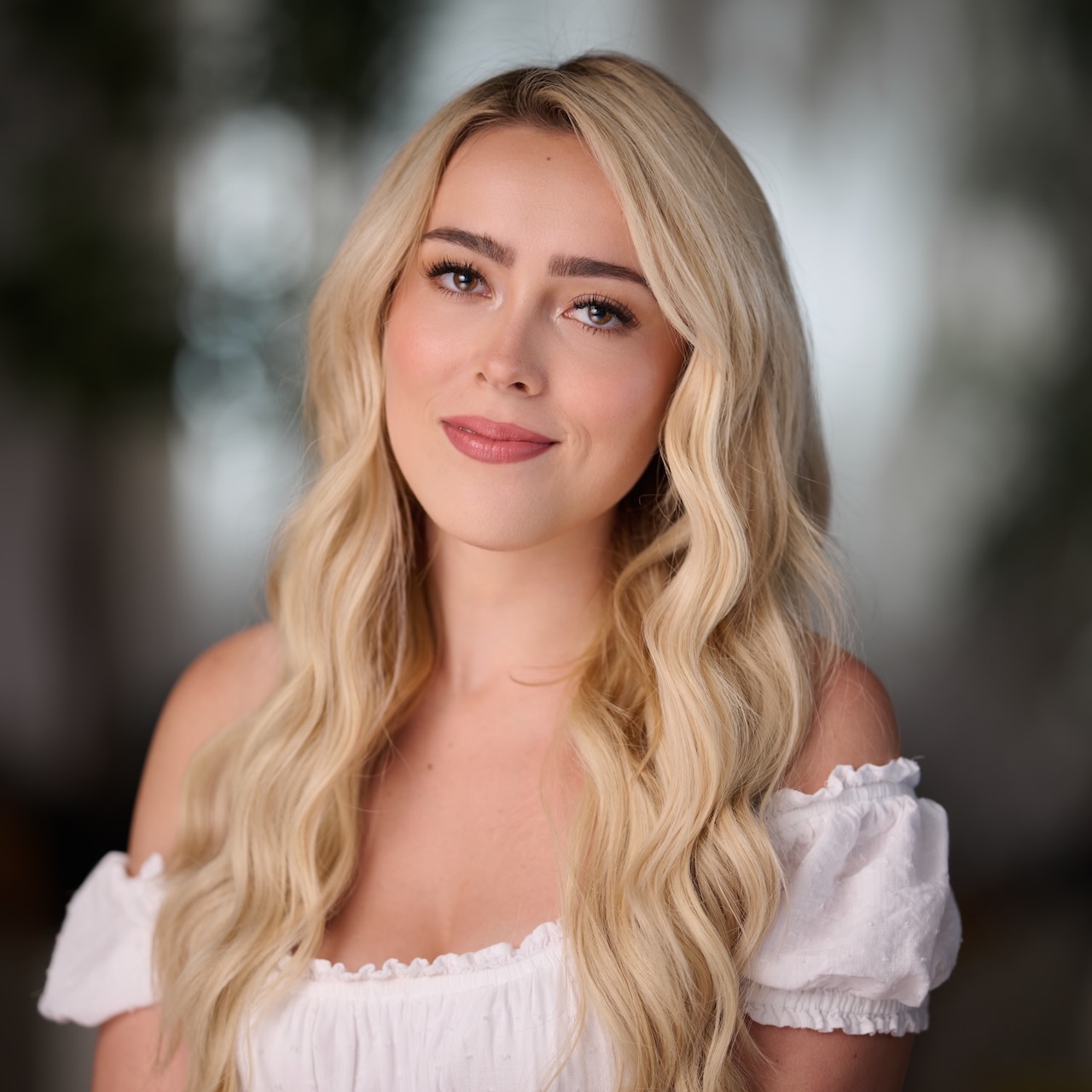
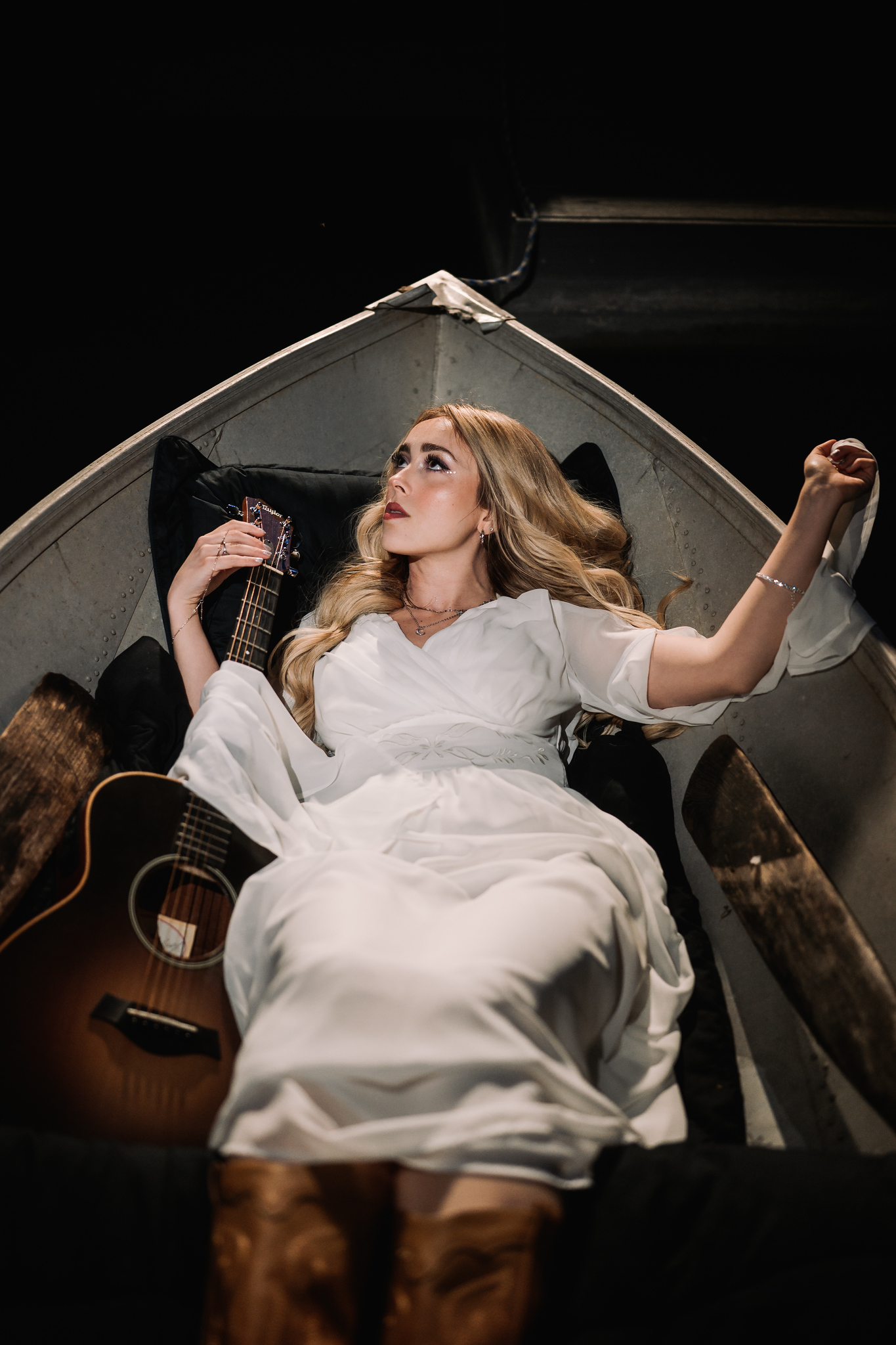
Singer-songwriter Cami Clune, known for her appearance on NBC’s The Voice, lives with Ehlers-Danlos syndrome, mast cell activation syndrome and dysautonomia. Following the July release of her debut album, should be sleeping, Chronic Pain Partners spoke with Cami about what it’s like to live with a condition no one can see while performing in front of tens of thousands of people.
- You were diagnosed with hypermobile Ehlers-Danlos syndrome in 2018 after years of unexplained symptoms. What was that journey like, and what has sharing your diagnosis publicly meant to you?
I’ve experienced symptoms for as long as I can remember, but I wasn’t officially diagnosed with hypermobile Ehlers-Danlos syndrome until 2018. Growing up, it was frustrating to experience things that didn’t always have a clear explanation. Receiving my diagnosis was validating because it helped connect some of the dots, but it wasn’t the end of my health journey. Over the years, I’ve developed new symptoms and received additional diagnoses, sometimes after long periods of searching for answers.
One area I’ve learned a lot about is digestive health. EDS can affect the digestive system in ways many people might not realize, and I’ve struggled with gastrointestinal issues, including small intestinal bacterial overgrowth (SIBO). It’s one example of how widespread the effects of EDS can be.
Sharing my diagnoses publicly isn’t always easy, but it’s helped me raise awareness about invisible illnesses. People may see someone performing onstage and assume they’re perfectly healthy, without knowing what happens behind the scenes. We truly never know what someone may be going through. I hope that by being open about my experiences, I can help others feel less alone and encourage them to advocate for themselves when something doesn’t feel right.
- Performing in arenas and stadiums can be physically demanding, even for someone without a chronic illness. How do you prepare for these performances, manage any symptoms on stage, and recover afterward?
Performing is one of my greatest passions, but it can take a toll on my body. As a full-time working musician, I currently average around 250 performances a year, so managing my energy has become an essential part of my career. When preparing for a big performance, whether it’s a concert or singing the national anthem at an NHL or NFL game, I prioritize rest, hydration, and avoiding overexertion. I also work with a personal trainer who has helped me build strength and become more confident in my physical abilities. Because of my digestive and histamine-related issues, I have to be mindful of what I eat to help minimize flare-ups.
One of the trickiest parts of chronic illness is that symptoms can be unpredictable. I might feel great one day and struggle the next, regardless of what’s on my schedule. Sometimes I just have to push through. I’m fortunate to be at a point in my health journey where I can manage my symptoms better, because that wasn’t always the case.
I’ve learned that recovery is just as important as preparation. After demanding performances, I try to give myself time to rest and recharge. I’m still learning how to find that balance.
- One symptom you’ve experienced is “air hunger,” or the feeling of not getting a satisfying breath. Air hunger is commonly reported in people with EDS but may be less familiar to the wider public. How does this symptom affect you as a singer, and how have you learned to manage it?
Air hunger has been one of the scariest symptoms I’ve experienced. The best way I can describe it is feeling like I can’t get a satisfying breath, even when I’m breathing normally. It’s like my body is searching for that one deep breath that will finally feel like enough.
As a singer, breath control is essential, so that sensation can be incredibly distracting. I’ve spent my life training my voice, yet sometimes something as automatic as breathing can feel difficult.
To be completely honest, I’m still figuring it out. My air hunger began shortly after I had COVID, which seemed to throw my immune system into overdrive and cause my symptoms to worsen. It became so severe that I took an entire year off from performing to rest and search for answers with doctors and specialists. Over time, I’ve noticed that when other symptoms flare up, whether related to digestion, histamine issues, or dysautonomia, my air hunger can become more intense. Managing my overall health is an important part of navigating it.
For a while, I felt so alone, like nobody could understand this terrifying symptom. Thankfully, it’s no longer a daily occurrence and has improved over the years. It makes me even more grateful that I’m able to do what I love.
- What would you say to other people who may want to pursue a music career with EDS?
My biggest piece of advice would be to never let a diagnosis convince you that your dreams are out of reach. Living with EDS can certainly make things more complicated, and everyone’s experience is different, but it doesn’t mean you can’t pursue something you’re passionate about.
I think it’s important to recognize that your path might look different from someone else’s, and that’s okay. You may need more rest, different accommodations, or extra time to recover, but none of those things make you any less capable or dedicated.
I’ve also learned that there’s a difference between pushing yourself to achieve something and pushing yourself beyond what your body can handle. I’m still working on finding that balance myself!
Most importantly, I believe our differences are what make us unique. I’ve always believed we’re put on this earth to help one another, and I feel that part of my purpose is to use my experiences to help others facing similar challenges feel seen, heard, and understood. Your health is part of your story, but it doesn’t have to define everything you’re capable of achieving.
Visit Cami’s website to learn more about her and listen to her music.
Check out our Instagram too for upcoming Q&A videos with Cami Clune!
By Jacqueline Teti
Editor-in-Chief &
Director or Programs &
Operations,
Chronic Pain Partners
November, 2026
If you like what you read, please comment and share!